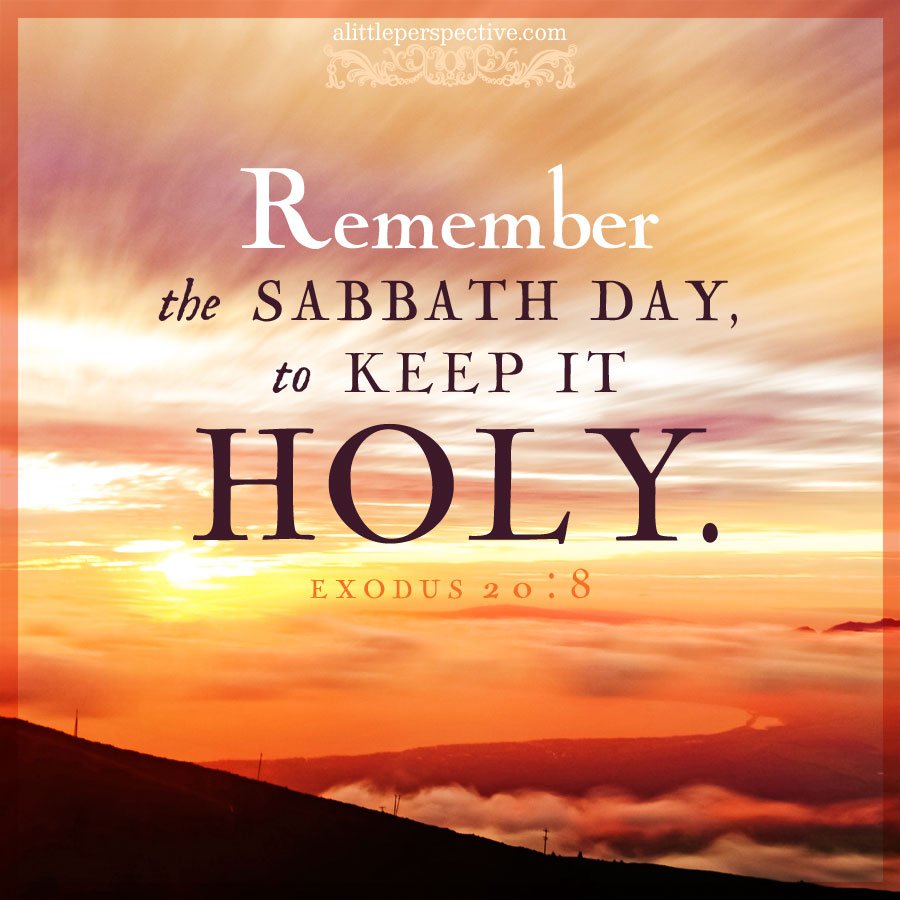
Today’s annual Torah portion is Yitro, “Jethro,” in Exodus 18:1-20:26.
Today’s triennial Torah portion is Shivtey Yisrael, “Tribes of Israel,” in Genesis 49:27-50:26.
Today’s Hebrew Testament chronological reading is in Genesis 33 and 34.
The Psalms/ Proverbs reading is in Psalm 38.
No Greek Testament reading today.
Torah.
The Annual Exodus 18:17-20:26 Yitro Outline is here.
Finding Messiah in Yitro is here.
Finding Messiah in Torah is here.
Exodus in Chiastic Structure is here.
The Triennial Genesis 49:27-50:26 Shivtey Yisrael Outline is here.
Essential Studies.
Exodus 20, The Ten Words
Additional studies: Exodus Index
On the Ten Commandments: God isn’t sternly handing out a list of “Thou shalt nots” like cosmic traffic tickets. In Hebrew they’re called the Aseret HaDevarim—the Ten Words. And every single one can be restated as what we protect, because it is the greatest treasure in the universe. Commandments 1 and 2 can be restated as “Keep the sanctity of YHVH’s worship,” and on down the line in like manner. Commandments 1 through 3 teach us how to love God. Commandments 4-10 teach us how to love ourselves and others. Ten Words, but one verb: Love.
Genesis 34, Defilement with Canaanites
Additional studies: Genesis Index
The previous Strong Theme from Gen 26:1-32:2 revealed that Isaac’s life Repeated events from Abraham’s, and then that Jacob’s life repeated events from Isaac’s. Something happened in this Strong Theme, though, that is not a repeat of either Abraham or Isaac. The Break in Pattern is that Jacob acquired property in the land to dwell there. The only property Abraham and Isaac owned was not for a dwelling place, but for a burial place. Abraham and Isaac were sojourners in the land–they belonged to a different kingdom.
Psalm 38, The fruit of godly sorrow
Additional studies: Psalms Book One (1-41) Index
Godly sorrow—true anguish of heart because someone realizes the gravity and wickedness of their sin—leads to salvation. Why? Because confession and repentance (vs. 18) are the fruit of godly sorrow, and salvation is the fruit of confession and repentance (vs. 22). Worldly sorrow is sorrow that sin has been found out, and now there is a penalty to pay. But worldly sorrow does not acknowledge the gravity or wickedness of the sin, and so, when the penalty is over, they return to the sin. Since there has been no confession or repentance, there is no fruit of salvation, and death is the ultimate result of a life of unrepented sin.
Three-year Bible.
The three-year plan is here.
Today’s reading is in Amos 9.
Suggested study: Amos 9, Bible for Beginners.
FEBRUARY 2026 BIBLE READING PLAN | 2026 FULL YEAR READING PLAN






Leave a Reply