Today’s Hebrew Testament chronological reading is in Job 20 and 21.
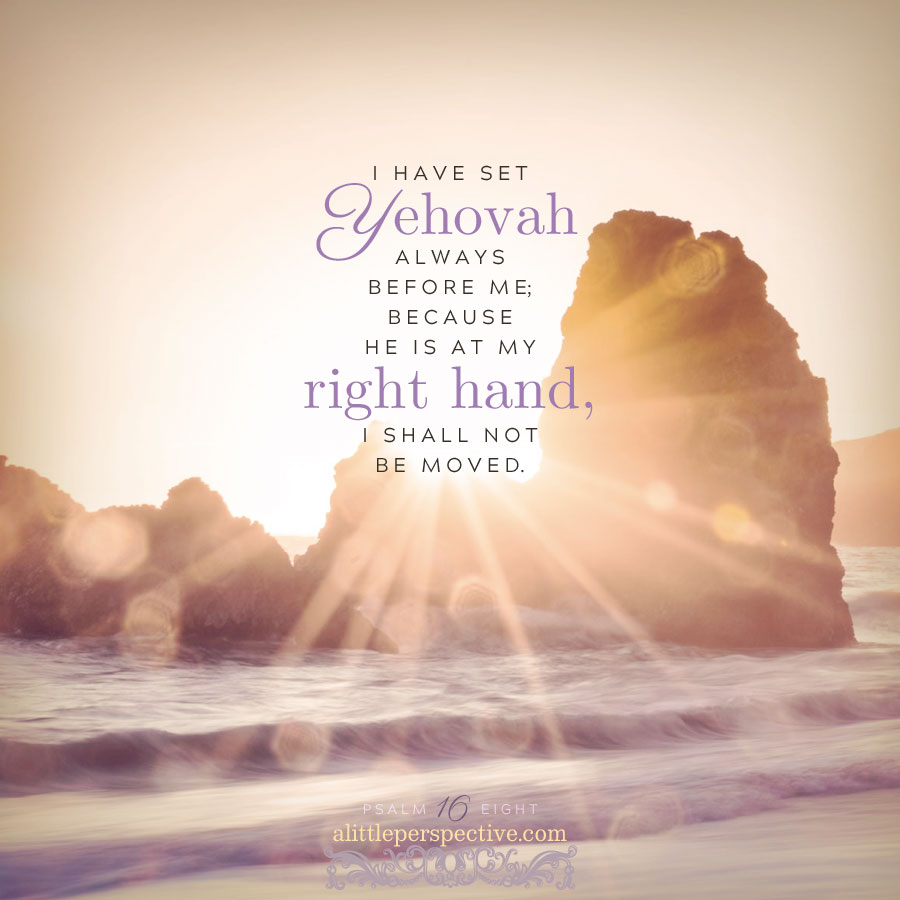
The Psalms/ Proverbs reading is in Psalm 16.
The Greek Testament reading is in Matthew 12.
Essential Studies.
Job 20 and 21, Job’s reply to Zophar
Additional studies: Job Index
In the discussion Job is having with his friends, his friends continue to repeat their same mantra: that good always comes upon the innocent, and evil always comes upon the wicked. Eliphaz even crosses over into shocking territory, and blatantly accuses Job to his face of being wicked – of maliciously crushing widows and the fatherless while he was in a position to help them. Job continues to maintain that evil sometimes comes upon the innocent, and good oftentimes comes upon the wicked. Job’s answer to this conundrum is that the wicked, while they may seem to have nothing but a life of comfort now, are reserved for the day of wrath; a truth Scripture bears out.
Psalm 16, On multiplying sorrows
Additional studies: Psalms Book One (1-41) Index
atsab (sorrow) עצב To labor, to form, to fashion. The original idea is perhaps that of cutting, whether of wood or stones … hence a carved image, an earthen vessel. – Gesenius Lexicon
This is where the idol comes in, as a carved image, something man expends labor upon to produce. But I can’t stop thinking about worry as a vexing or painful sorrow (atsab). Isn’t a worry something we ourselves fashion or build out of future events? We imagine a worst-case scenario that has not yet come about, and then grieve over it. To worry is to carve an idol, in other words. We build something in our minds, and then take it for truth instead of the promises of God’s word. Let me be the first to repent of that idolatry now, Father.
Matthew 12, Sabbath balance
Additional studies: Matthew Index
The intent of the command was to provide a day of cessation from labor, and working to provide an income or to provide for needs, so that a person could rest. Over time, the Pharisees and teachers of the Torah had built up an elaborate system of dos and don’ts for the Sabbath, which amounted to if a person did anything at all (even good), he was breaking the Sabbath. Yeshua and His disciples were attending synagogue on the Sabbath, and not working to provide an income, so it is false that He was a Sabbath-breaker, or that He encouraged Sabbath-breaking. He was bringing balance to the unbalanced teaching of the Pharisees.
Three-year Bible.
The three-year plan is here.
Today’s reading is in Hosea 5.
Suggested study: Hosea 5, Bible for Beginners.
JANUARY 2026 BIBLE READING PLAN | 2026 FULL YEAR READING PLAN








Leave a Reply