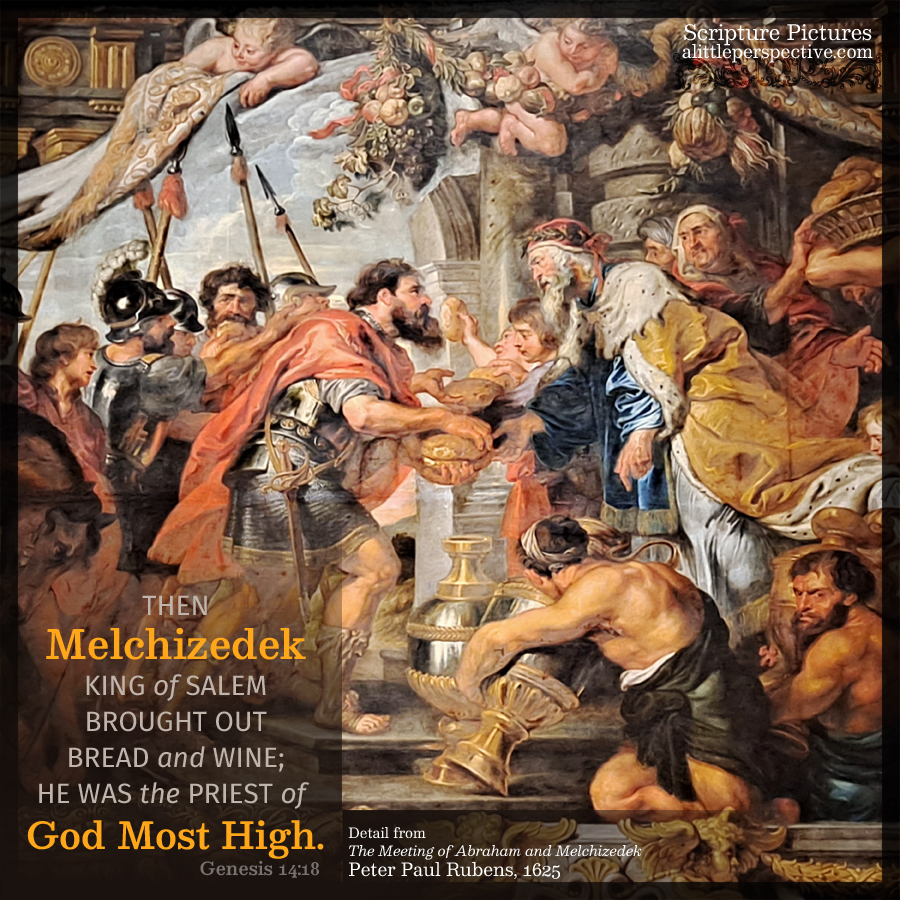
First occurrence
In the sweat of your face you shall eat bread till you return to the ground, for out of it you were taken; for dust you are, and to dust you shall return.” Gen 3:19
The primitive root
Strong’s H3899, lechem, a concrete noun meaning, “bread” from Strong’s H3898 לחם lacham, a primitive root meaning, “to consume.” The ancient pictographs:
lamed ל = shepherd’s staff (teach, yoke, to, bind
chet ח = wall (outside, divide, half
mem מ, ם = water (chaos, mighty, blood
According to the Ancient Hebrew Lexicon, a related word is ‘cheese,’ because of the ancients’ method of making cheese. They poured milk in an animal skin bag, and then hung it out in the sun while pushing the bag back and forth to mix the contents. The heat and the mixing activated an enzyme which caused the milk to separate into curds and whey. Thus the separated (chet) milk (mem, as indicative of any liquid) makes cheese. The making of bread is opposite; the separated elements of flour and water are combined and pushed back and forth, that is, kneaded, and then set out in the heat to activate the yeast.
But going back even further in history, I believe the original ancient connection to “bread” is found in that the husband and father (lamed, he who holds the family authority) was responsible for providing the family with food (chet + mem), as in the first occurrence above.












Leave a Reply