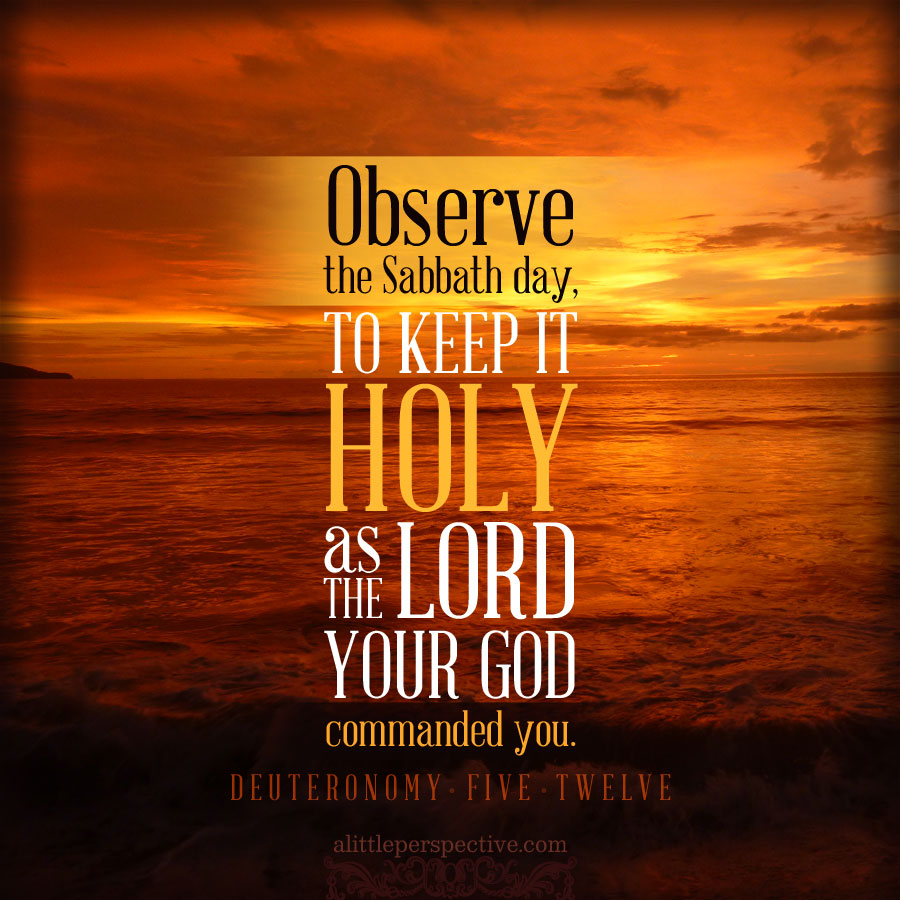
Today’s annual Torah portion is Va’etchanan, “And I pleaded,” in Deuteronomy 3:23-7:11.
Today’s triennial Torah portion is Vayifen vayered Moshe, “Moses turned and went down,” in Exodus 32:15-34:35.
Today’s Hebrew Testament chronological reading is in 2 Chronicles 16 and 17.
The Psalms/ Proverbs reading is in Psalm 24.
No Greek Testament reading today.
TORAH.
The Annual Deuteronomy 3:23-7:11 Va’etchanan Outline is here.
Finding Messiah in Va’etchanan is here.
Finding Messiah in Torah is here.
The Triennial Exodus 32:15-34:35 Vayifen vayered Moshe Outline is here.
ESSENTIAL STUDIES.
Deuteronomy 5 and 6, The Ten Sacred Things
Additional studies: Deuteronomy Index
When we read the Ten Commandments, we are so used to thinking of them as a list of prohibitions: what we cannot do. But really, the commandment, You shall have no other gods before YHVH, for He alone is God, can be restated positively, as Keep the sanctity of the worship of YHVH. The Commandments are not merely the Ten Do Nots; they are also the list of the Ten Sacred Things.
2 Chronicles 16 and 17, The heart loyal to YHVH
Additional studies: 1 and 2 Chronicles Index
So someone with a loyal or perfect heart toward YHVH, is someone who has taken YHVH for their God, to love Him, to walk in His ways, and to rely on Him. It does not mean that person is entirely without fault (the Webster’s definition of perfect.) It is someone who understands that they have a covenant of peace with his Maker and His God, and so when they face any trouble in life, they rely on Him. In fact, God’s eyes are searching the earth to find those who will rely on Him to show Himself strong on their behalf! God wants to bare His mighty right arm for our sakes!
Psalm 17, The apple of YHVH’s eye
Additional studies: Psalms Book One: 1-41 Index
The earth and all who dwell in it belong to YHVH, because He is our Creator. Therefore, He is also our King – His is the authority, who has both the right and the responsibility to exercise authority. That He has the right means that when He gives a commandment it ought to be obeyed by those under His authority. The one who does not obey the king, has placed himself outside the law – he is an outlaw, then, and has removed himself from the rights and protections of citizenship in the kingdom. That He has the responsibility means that He exercises His authority in order to care for, bless, and protect those who are subject to Him and who depend on Him. Only man uses rulership in order to oppress those subject to him and to be served by those who depend on him. So, let the gates and ancient doors recognize their King, and admit Him in His great glory!
THREE-YEAR BIBLE.
The three-year plan is here.
Today’s reading is in Mark 4.
Suggested study: Mark 4, Bible for Beginners.





Leave a Reply